Three Greatest Moments In Composite Door Factory Finish History
The Art and Science of Composite Door Factory Finish: A Comprehensive Guide
Composite doors have actually become progressively popular in modern home building and construction due to their durability, security, and visual appeal. Among the crucial aspects that contribute to the quality and longevity of composite doors is the factory finish. This article looks into the intricate process of composite door factory finishing, checking out the techniques, materials, and benefits that make these doors a favored option for homeowners and home builders alike.
What is a Composite Door?
A composite door is a kind of entry door made from a combination of products, consisting of wood, plastic, fiberglass, and other artificial parts. These materials are crafted to provide a door that is strong, weather-resistant, and extremely customizable. The factory finish is a crucial step in the production procedure, guaranteeing that the door is not only aesthetically attractive but likewise secured from the elements.
The Importance of Factory Finish
The factory finish on a composite door serves a number of crucial functions:
- Aesthetic Appeal: A top quality finish enhances the visual appeal of the door, making it a focal point of the home's exterior.
- Toughness: The finish supplies a protective layer that guards the door from moisture, UV rays, and other environmental aspects that can cause damage.
- Longevity: Properly completed composite doors can last for decades with very little maintenance.
- Security: The finish can consist of features that boost the door's security, such as strengthened locks and hinges.
The Factory Finish Process
The procedure of applying a factory finish to a composite door is a multi-step treatment that includes accuracy and know-how. Here are the key phases:
Preparation:
- Surface Cleaning: The door is completely cleaned to eliminate any dust, particles, or contaminants that could disrupt the finish.
- Surface area Conditioning: The surface is conditioned to make sure that the finish adheres effectively. This may involve sanding or applying a guide.
Skim Coat Application:
- Primer: A primer is applied to develop a smooth, even surface area and to improve the adhesion of the topcoat.
- Base Coat: The skim coat is used, which can be a solid color or a wood grain pattern, depending on the preferred aesthetic.
Leading Coat Application:
- Top Coat: A long lasting top coat is used to offer the last layer of protection and to accomplish the wanted finish (e.g., matte, semi-gloss, or gloss).
- Curing: The door is enabled to cure in a controlled environment to guarantee that the finish sets effectively.
Quality assurance:
- Inspection: The completed door is examined for any defects, such as bubbles, scratches, or uneven application.
- Last Touches: Any necessary touch-ups are made to guarantee a flawless finish.
Materials Used in Factory Finishing
The products used in the factory finish of composite doors are carefully selected to ensure toughness and performance. Common products include:
- Acrylic Resins: These provide outstanding adhesion and resistance to UV rays.
- Polyurethane: Known for its strength and flexibility, polyurethane is frequently utilized in leading coats to supply a resilient, long-lasting finish.
- Solvent-Based Finishes: These are known for their quick drying times and high gloss finishes.
- Water-Based Finishes: These are eco-friendly and supply a series of surfaces from matte to high gloss.
Advantages of Factory Finished Composite Doors
- Consistency: Factory surfaces are applied in a regulated environment, guaranteeing a consistent and high-quality finish on every door.
- Sturdiness: The factory finish is designed to endure the aspects, providing long-lasting defense and reducing the need for maintenance.
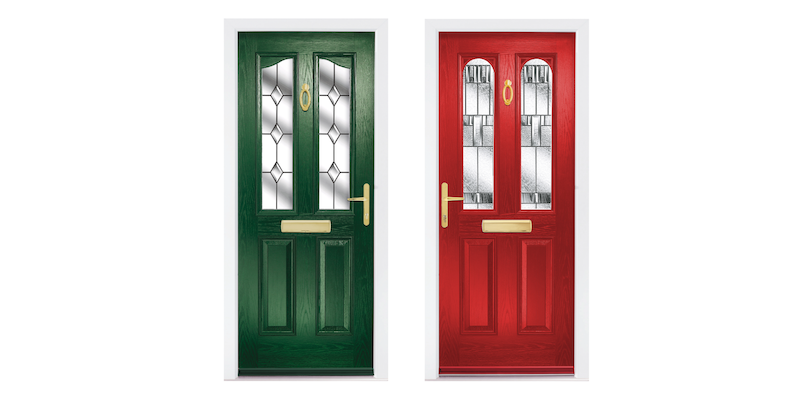
- Visual Customization: Composite doors can be completed in a vast array of colors and designs, allowing property owners to choose a door that complements their home's design.
- Environmental Resistance: The finish provides defense against wetness, UV rays, and other ecological elements that can cause damage to the door.
FAQs About Composite Door Factory Finish
Q: How long does a factory finish last?A: A properly used factory finish can last for 20 years or more, depending upon the quality of the materials and the care of the door.
Q: Can a factory finish be fixed if it gets damaged?A: Yes, small damage can often be repaired by applying touch-up paint or a repair set. Nevertheless, for more significant damage, it might be necessary to refinish the entire door.
Q: Are factory finishes more pricey than DIY finishes?A: Generally, factory finishes are more pricey due to the top quality products and controlled application process. However, www.repairmywindowsanddoors.co.uk offer superior durability and a professional finish, which can be more cost-effective in the long run.
Q: Can composite doors be painted after installation?A: While it is possible to paint composite doors after installation, it is normally not recommended. The factory finish is designed to be highly durable and resistant to the elements, and painting over it can jeopardize its integrity.
Q: What is the very best way to maintain a factory-finished composite door?A: Regular cleaning with a moderate detergent and water is generally enough to maintain the finish. Prevent utilizing abrasive cleaners or severe chemicals, as these can damage the surface.
The factory finish on a composite door is an essential element that adds to its total quality, toughness, and aesthetic appeal. By comprehending the procedure and materials involved, property owners and home builders can make educated choices when selecting composite doors for their jobs. Whether you are constructing a brand-new home or upgrading an existing one, an appropriately ended up composite door can provide years of reliable service and boost the curb appeal of your residential or commercial property.
Extra Resources
- Composite Door Manufacturers: Explore the websites of leading composite door manufacturers to find out more about their finishing processes and item offerings.
- Home Improvement Stores: Visit regional home improvement shops to see composite doors with factory finishes face to face and compare different designs and finishes.
- Professional Installers: Consult with professional installers who can provide expert recommendations on choosing and maintaining composite doors.
By taking the time to comprehend the factory finish procedure, you can guarantee that your composite door not just looks terrific but likewise stands the test of time.